Admin / January 16, 2026
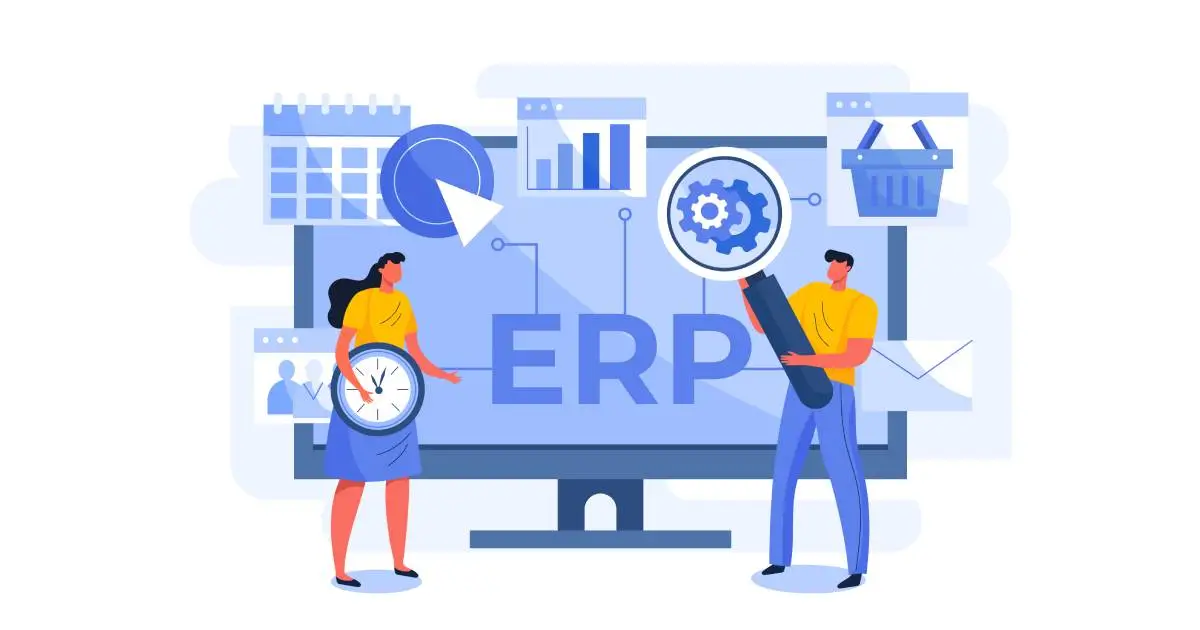
In 2026, businesses are operating in an environment defined by digital transformation, global competition, and data-driven decision-making, making ERP software more essential than ever. Companies are no longer relying on disconnected tools to manage finance, HR, inventory, and operations. Instead, they need a unified system that centralises processes and provides real-time visibility across departments. With rising customer expectations and complex supply chains, ERP software helps businesses stay agile, organised, and competitive while reducing inefficiencies and manual errors that slow growth.
One of the primary reasons businesses need ERP software in 2026 is automation. Manual processes are costly, time-consuming, and prone to errors, especially as organisations scale. Modern ERP software automates repetitive tasks such as invoicing, payroll, procurement, and reporting, allowing employees to focus on strategic and creative work. Automation not only increases productivity but also ensures accuracy and compliance, which is critical in industries facing strict regulations and audits. By leveraging ERP software, businesses can streamline operations and improve overall efficiency.
Data-driven decision-making is another major factor driving the adoption of ERP software in 2026. Businesses generate massive amounts of data daily, but without the right system, this data remains underutilised. ERP software consolidates information from multiple departments into a single dashboard, providing real-time insights and analytics. This enables leaders to track performance, forecast trends, and make informed decisions quickly. In an era where speed and accuracy determine success, ERP software gives businesses a strategic advantage.
Scalability is a critical concern for growing organisations, and ERP software is designed to support long-term expansion. As businesses add new products, locations, or teams, managing operations becomes increasingly complex. Cloud-based ERP software can scale effortlessly, adapting to business growth without the need for costly infrastructure upgrades. Whether a company is a startup or an enterprise, ERP software ensures systems remain flexible and capable of handling increased workloads in 2026 and beyond.
In 2026, customer experience plays a key role in business success, and ERP software significantly enhances how companies serve their customers. By integrating sales, CRM, inventory, and customer support, ERP software provides a complete view of the customer journey. This allows businesses to respond faster, personalise interactions, and ensure the timely delivery of products and services. With customer loyalty becoming harder to maintain, ERP software helps businesses build stronger, long-lasting relationships.
Supply chain management has become increasingly complex due to global disruptions, making ERP software indispensable in 2026. Businesses need real-time visibility into inventory levels, supplier performance, and logistics to avoid delays and shortages. ERP software enables accurate demand forecasting, efficient inventory management, and seamless supplier coordination. By optimising supply chains, ERP software helps businesses reduce costs, minimise risks, and maintain operational continuity even during uncertain market conditions.
Cybersecurity and compliance are top priorities for businesses in 2026, and ERP software plays a vital role in protecting sensitive data. Modern ERP software includes advanced security features such as role-based access, encryption, and audit trails to safeguard information. Additionally, it helps businesses comply with industry regulations and data protection laws by maintaining accurate records and standardised processes. Investing in ERP software ensures both operational integrity and customer trust.
Remote and hybrid work models continue to dominate in 2026, increasing the need for accessible and collaborative systems like ERP software. Cloud-based ERP software allows teams to access critical business data from anywhere, ensuring seamless collaboration across locations. This flexibility improves productivity, supports global teams, and enables real-time updates without geographical limitations. As work environments evolve, ERP software ensures businesses remain connected and efficient.
In conclusion, businesses need ERP software in 2026 to stay competitive, efficient, and resilient in a rapidly changing digital landscape. From automation and scalability to data insights and customer experience, ERP software acts as the backbone of modern business operations. Companies that invest in the right ERP software will be better equipped to adapt to change, drive innovation, and achieve sustainable growth in the years ahead.

304, Navle ICON, near Navale Bridge, Wadgaon Bk,Pune, Maharashtra 411041 (IN)
Copyright © 2025 Webwide It Solutions LLP.